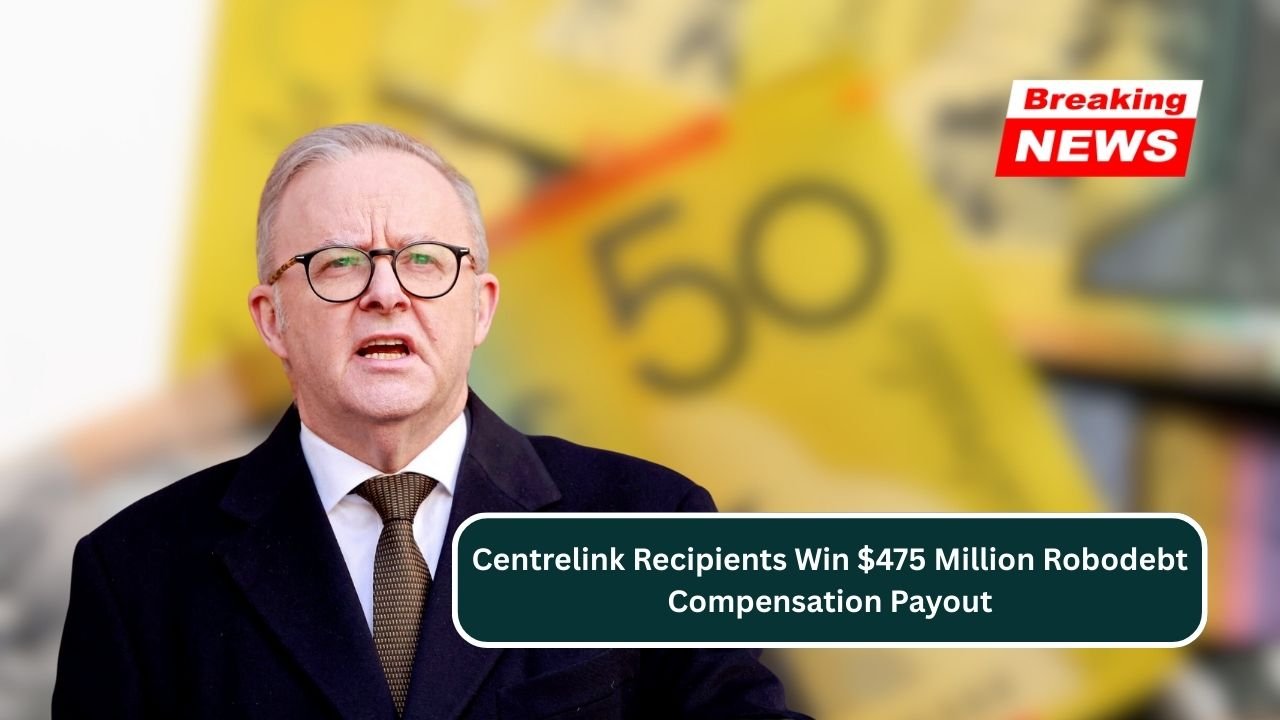
In a monumental legal breakthrough, Australians who suffered due to the controversial Robodebt scheme are set to receive a massive $475 million compensation payout. This landmark decision marks the largest class action settlement in Australian history, offering much-needed relief to those wrongfully targeted by an automated system that issued debt notices to Centrelink recipients without proper verification. The payout is not only a significant financial settlement but also a clear signal of accountability and justice for the individuals impacted by the flawed system.
The Robodebt Scheme: Targeting Vulnerable Australians
The Robodebt program, implemented between 2015 and 2019, was designed by the federal government as an automated system to identify and recover overpaid welfare debts from Centrelink recipients. Unfortunately, the system was riddled with flaws, relying on an unverified algorithm that matched income data from the Australian Tax Office (ATO) with the information provided by recipients. The program falsely assumed that discrepancies between the two data sets indicated owed debts, leading to widespread debt notices.
This error-prone scheme disproportionately targeted vulnerable Australians, including students, pensioners, and those already struggling financially. Many recipients were wrongfully accused of owing money based on incorrect or incomplete data, and some were pressured to repay debts they didn’t owe. The emotional, financial, and psychological toll on these individuals was immense, leading to stress, anxiety, and in some tragic cases, suicides linked to the debt recovery process.
Historic $475 Million Payout: A Step Towards Justice
The federal government has agreed to pay $475 million to compensate those affected by the Robodebt program, marking a crucial phase in the ongoing legal battle. The total settlement amount, including legal fees and administrative costs, stands at $548.5 million, subject to Federal Court approval. Over 450,000 Australians are expected to receive compensation, offering a vital recognition of the harm caused by the flawed system.
The payout is a culmination of years of public outcry and legal action initiated in 2020. Law firm Gordon Legal, which represented the affected individuals, highlighted that this settlement was a pivotal moment in holding the government accountable for the damages caused by Robodebt. While financial compensation cannot undo the trauma experienced by victims, it offers a sense of justice and validation for those impacted by the program’s wrongful targeting.
The Personal Toll: Victims Speak Out
The Robodebt scheme had devastating consequences for many Australians, with individuals like Felicity Button, a former nursing student, sharing their harrowing experiences. Button was wrongly accused of owing $11,500 while receiving Youth Allowance. The debt notice caused her severe financial stress, mental health struggles, and even family breakdowns. She described the emotional toll as “like being attacked for no reason,” expressing that it was not just the money that hurt but the constant fear of legal repercussions.
Button’s story is emblematic of the widespread distress caused by Robodebt. The program’s impact went far beyond financial hardship—many victims experienced ongoing trauma from the relentless threats of debt recovery. For some, this stress led to significant mental health consequences, including anxiety and depression. Tragically, the pressure was so overwhelming for some individuals that it contributed to at least two suicides, a heartbreaking reminder of the devastating human cost of the scheme.
Acknowledging the Harm: Government Response
The government’s acknowledgment of the harm caused by Robodebt came after intense scrutiny and legal action. A Royal Commission into the scheme found the program to be both legally flawed and morally reprehensible, condemning it as a “crude and cruel” attempt to recover welfare debts. The inquiry revealed that many Australians were wrongly targeted without confirmed debts, causing unnecessary distress and harm to those already struggling financially.
Attorney-General Michelle Rowland addressed the settlement, calling it a “just and fair resolution to a policy that caused widespread distress and hardship.” She emphasized that the compensation not only provided financial restitution but also served as a reminder of the importance of government accountability in policy implementation. The government’s public acknowledgment of the harm inflicted on Australians through Robodebt represents a critical step in the process of healing for victims and preventing future abuses.
Lessons Learned and the Future of Welfare Programs
The Robodebt debacle offers several important lessons for future welfare programs. First, it highlights the dangers of relying on automated systems without adequate safeguards. As governments increasingly use technology to administer welfare services, it is vital that these systems are designed to be transparent, accurate, and fair. The lack of such safeguards in the Robodebt program led to widespread errors and financial hardship for innocent recipients.
Furthermore, the case emphasizes the need for greater oversight and accountability in government welfare programs, particularly those impacting vulnerable populations. The public outcry surrounding Robodebt and the subsequent settlement underscore the necessity of designing systems that protect citizens’ rights and ensure that welfare programs are focused on support, not punishment.
Looking Ahead: Continuing the Fight for Justice
Although the $475 million compensation payout represents a significant step forward, it is just one part of the ongoing effort to address the full scope of damage caused by the Robodebt program. Many Australians are still grappling with the emotional and financial consequences of the scheme, and there is a continued need for systemic reforms to prevent similar injustices in the future.
The scrutiny of the Robodebt scheme and the broader issues it raised about government accountability and welfare reform will continue to shape the future of public policy in Australia. By learning from the failures of Robodebt, the government can take meaningful steps to rebuild public trust in welfare systems and ensure that they serve their intended purpose of supporting vulnerable citizens.
Conclusion: A Long-Awaited Victory for Robodebt Victims
The $475 million compensation payout marks a pivotal moment for the victims of the Robodebt scheme and serves as a reminder of the importance of government accountability. While the settlement cannot undo the harm caused, it provides a step toward justice and closure for the many Australians who endured the stress and trauma of wrongful debt recovery. Moving forward, the government must learn from the Robodebt debacle and work toward ensuring fairness, transparency, and protection for all citizens within welfare programs.