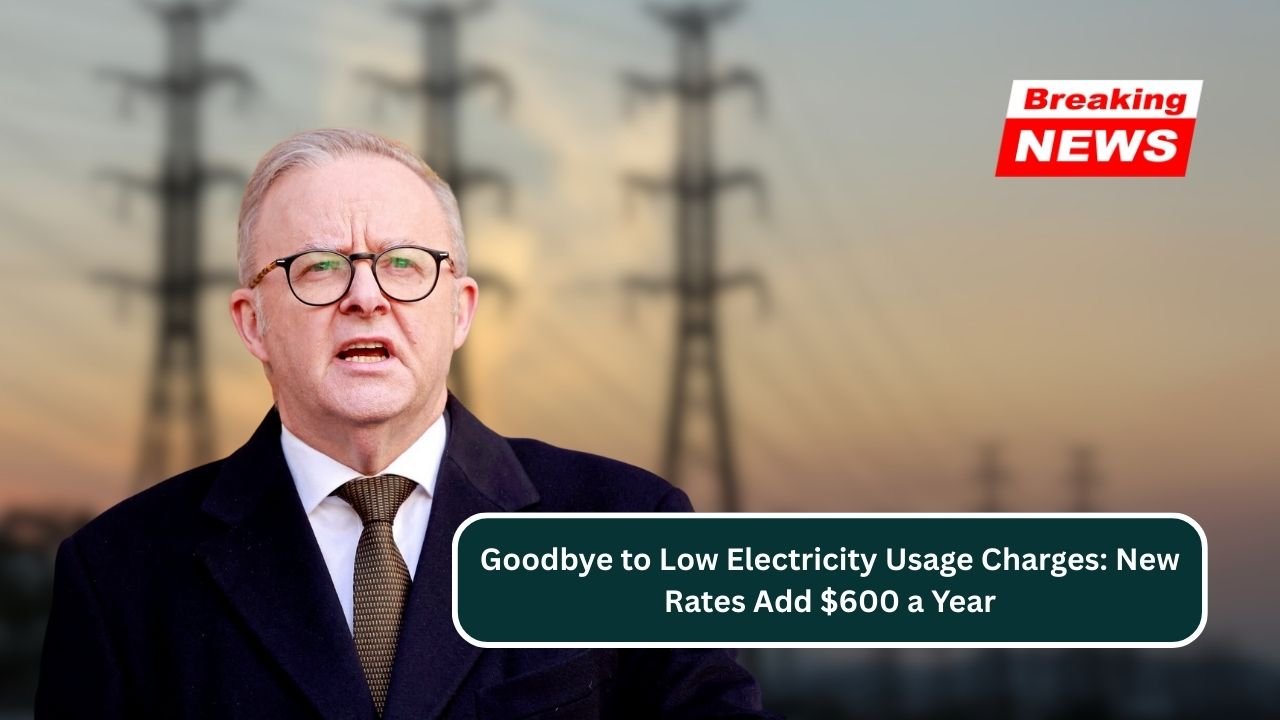
Australian households are facing a major shift in electricity pricing from 1 February 2026, as low electricity usage charges are officially removed nationwide. This policy change is expected to increase average household electricity bills by around $600 per year. Homes that previously benefited from consuming less electricity, including small families, renters, and apartment residents, are likely to feel the impact most under the new pricing model.
Why Energy Regulators Are Changing the Pricing Structure
For years, low-usage households received lower variable electricity rates, allowing energy-efficient behaviour to translate into lower bills. Energy regulators and providers now argue that this system no longer supports the long-term costs of maintaining Australia’s electricity network. Infrastructure upgrades, renewable energy integration, and ongoing maintenance of poles and wires require stable revenue, which low-usage pricing models fail to deliver consistently.
As a result, electricity providers are shifting toward higher fixed charges and revised usage rates to ensure all households contribute more evenly to grid maintenance costs, regardless of consumption levels.
How Electricity Bills Will Change for Australian Households
From February 2026, electricity bills will reflect several key changes. Low-usage discounts will be removed entirely, daily supply charges will increase, and per-kilowatt pricing will be adjusted. Average annual electricity costs are projected to rise from approximately $1,500 to $2,100 for many households. While expanded government rebates have been announced, eligibility will be limited, meaning many middle-income Australians may not receive financial relief.
Which Australian States Will Be Most Affected
The impact of the new electricity rates will vary across the country. Households in New South Wales, Victoria, and Queensland are expected to see the most significant increases due to higher infrastructure and network costs in those states. Urban residents, who typically use less electricity due to smaller living spaces, may now pay similar base charges to larger households, reducing previous savings linked to low consumption.
Who Will Feel the Biggest Financial Impact
Single-person households, retirees, renters, and energy-conscious consumers are among the groups most affected by the removal of low-usage benefits. Renters face particular challenges, as they often cannot install solar panels or make long-term energy efficiency upgrades. This leaves limited options for reducing bills despite careful electricity use.
How Australians Can Manage Higher Electricity Costs
Despite rising electricity charges, households can still take steps to reduce the financial impact. Comparing electricity retailers remains crucial, as supply charges and pricing structures vary. Smart meters can help track consumption patterns, while shifting energy use to off-peak periods may still result in modest savings under time-of-use plans.
Homeowners may benefit from investing in solar panels and battery storage systems, which can reduce dependence on grid electricity over time. Additionally, government-supported energy efficiency programs and expanded rebate schemes may provide relief for eligible households, particularly pensioners and low-income families.
What This Change Means for Australia’s Energy Future
The removal of low electricity usage charges marks a major shift in how energy costs are shared across Australia. While regulators argue the change is necessary to support a reliable and modern electricity grid, many consumers view it as a challenge to affordability and sustainability. As electricity bills rise in 2026, proactive planning and informed decision-making will be essential for Australian households navigating this new energy landscape.